
Creating an Assessment Plan
Designing a rigorous unit assessment plan requires precisely aligning your learning goals with the correct assessment methods. Whether you are developing curriculum for K-12 classrooms or adult professionals learning training facilitation, an effective assessment operates as a multi-phase cycle rather than a single end-of-unit test.

Learning Management System Example - Canvas
The Learning Management System (LMS) is the digital backbone of modern education and corporate training. It is where content is housed, assessments are delivered, and learner progress is tracked. For this project, a fully functional course was built within the Canvas LMS. This process involves translating educational objectives into a structured digital environment, ensuring that the technology enhances, rather than hinders, the learning experience.

"The Earl" App Prototype
Learning shouldn’t be tethered to a desk. "The Earl" is a mobile app prototype designed to teach users about sandwich history, ingredient selection, and recipes through interactive UI/UX elements.

Ethical A.I. Resources
As artificial intelligence seamlessly embeds itself into education, healthcare, systems architecture, and daily communication, establishing strong ethical frameworks is no longer optional—it is critical. The rapid advancement of generative models and automated decision-making brings immense potential, but it simultaneously introduces profound challenges regarding data privacy, algorithmic bias, human autonomy, and digital equity. To build a future where technology elevates humanity rather than compromising it, we must critically analyze how AI impacts diverse populations and institutions. The following curated reading list offers vital insights from leading researchers on navigating these complex ethical boundaries.
Visual Communication
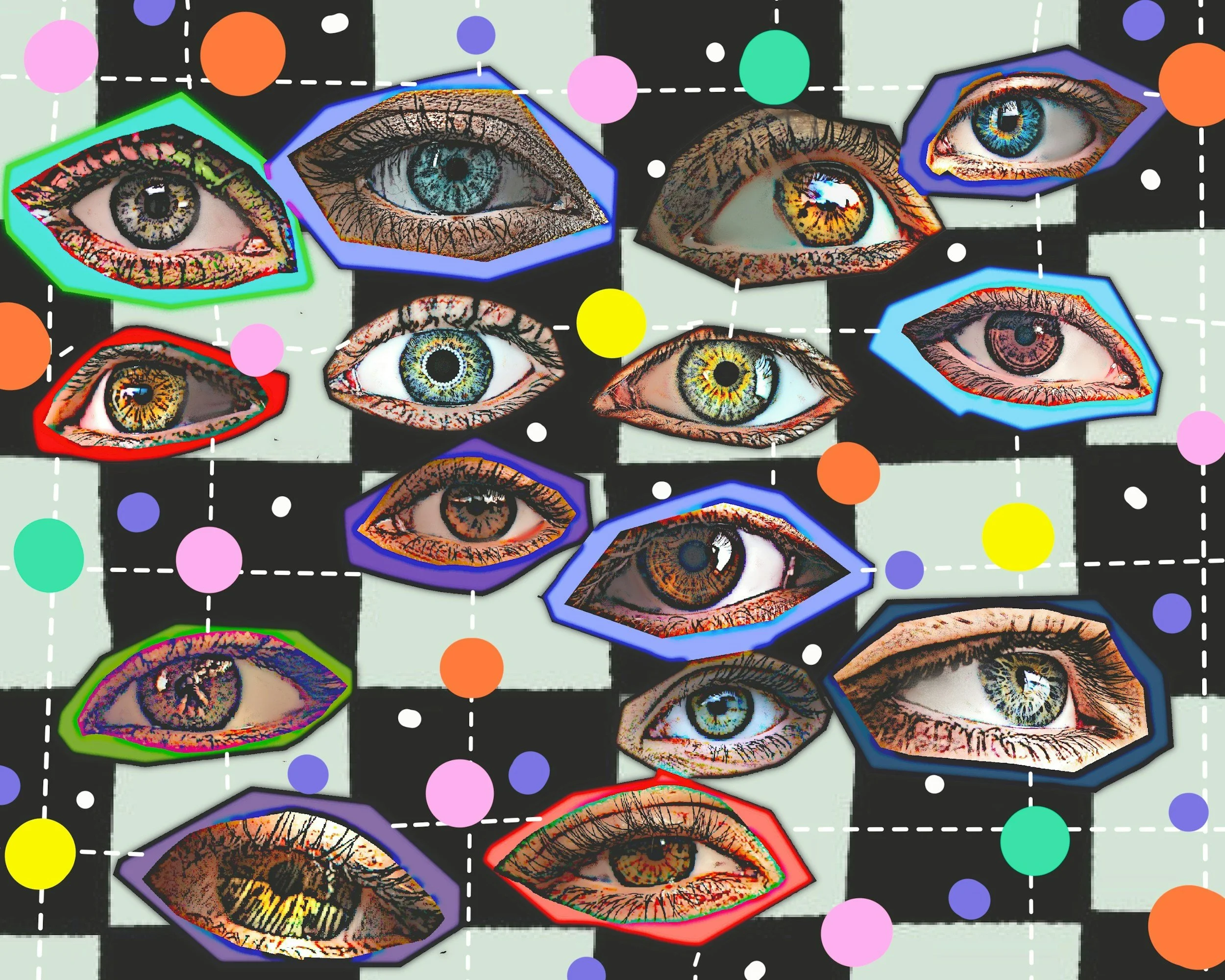
Human learning relies heavily on the ability to process information efficiently. Instructional design theories, such as the Multimedia Principle, suggest that learners construct knowledge more effectively when words and pictures are presented together, rather than words alone. Infographics capitalize on this by utilizing representational and transformational graphics to depict relationships, comparisons, and core concepts. By visually organizing information, infographics help reduce the cognitive load on the learner, allowing the brain to process and retain the core message without being bogged down by dense paragraphs of text.
Storyboarding
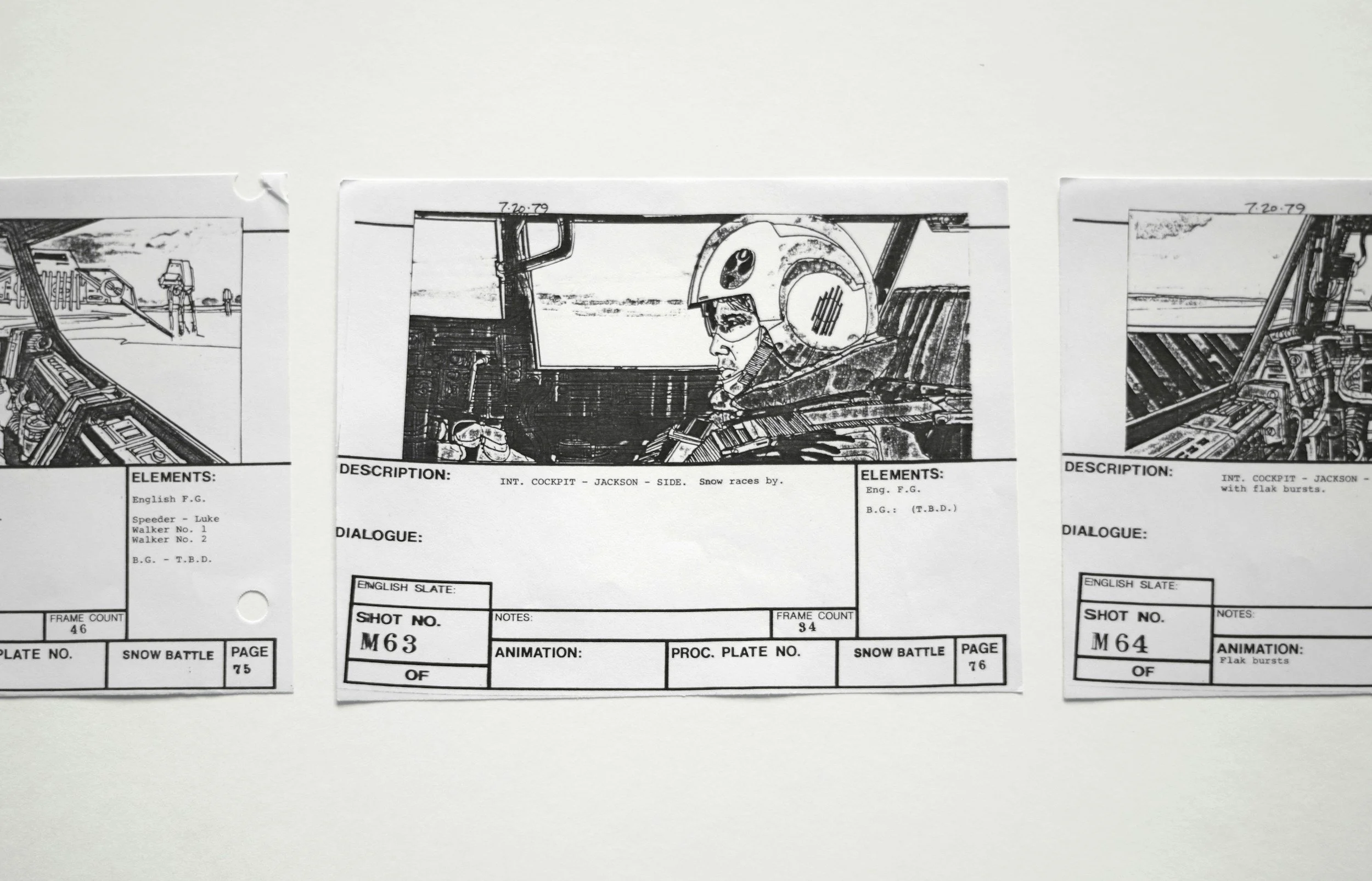
Developing effective training materials requires more than just subject matter expertise; it demands a strategic blueprint validated by cognitive science. Here is a look at the storyboarding process, from initial concept to rigorous pedagogical assessment.